













In a world where artificial intelligence can write recipes, apps can deliver groceries in minutes, and food labels have become increasingly difficult to decipher, I find myself returning to something far older, simpler, and wiser.
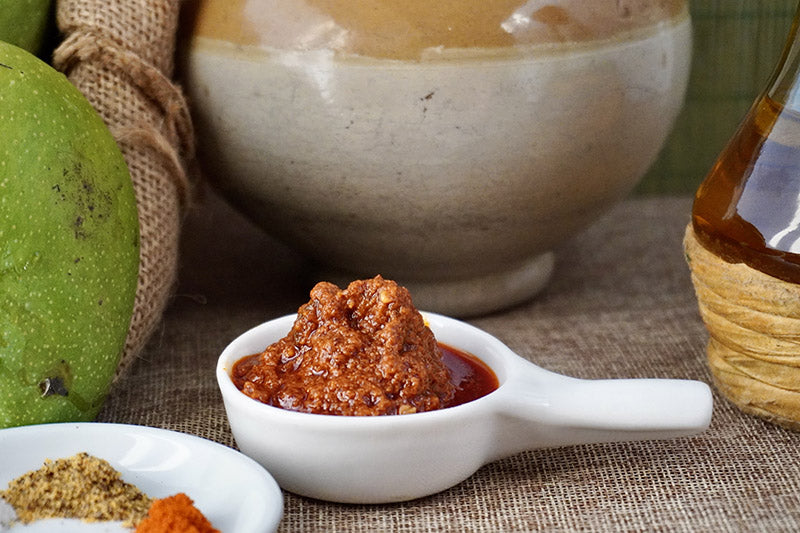
A jar of homemade aavakai.

Growing up, I was convinced that my grandmothers made the best aavakai in the world. Years later, I realized that it was true—not just because of nostalgia, but because of the extraordinary care, ingredients, and wisdom that went into every batch.
Like many of us, I often say that our grandmothers made the best food. But when I pause to think about it, there were good reasons why.
The soil was richer. The air was cleaner. Food was seasonal. Crops were grown closer to home. Farmers understood their land intimately and worked with nature rather than against it. They practiced crop rotation, grew varieties suited to their environment, and passed down agricultural wisdom through generations.
Food wasn’t merely produced; it was nurtured.
My maternal grandmother was known for her unforgettable aavakai, maagai, and ulliaavakai. My paternal grandmother made exceptional endu aavakai, allam pachadi, curry leaf pachadi, and coriander chutney. Years later, my mother added her own treasures to the family repertoire—usiri pachadi and lemon pickle that became family favourites.
Together, they created a legacy of flavour that shaped my understanding of food.
The Summer Ritual
For us, summer wasn’t complete without pickle-making season.
Relatives gathered at our ancestral village. Grandparents, cousins, uncles, and aunts filled the house. Alongside the family reunion came baskets overflowing with raw mangoes, spices, herbs, and vegetables destined to become the year’s supply of pickles.

I still remember the women sitting together in sunlit courtyards after lunch, examining each mango with remarkable attention. Every fruit was inspected for blemishes, texture, maturity, and suitability.
Different varieties of mangoes were chosen for different pickles. Some were ideal for aavakai, while others were reserved for maagai. These distinctions mattered.
As children, we had our own responsibilities. We peeled mangoes using sharpened seashells, turning what felt like work into play. It was our introduction to food preparation, patience, and tradition.
Then came the spices.
Families debated the best source of mustard seeds, fenugreek, chilli powder, and sesame oil. Every household guarded its own small variations and proportions. One grandmother insisted on a particular chilli vendor because the colour and flavour were unmatched. Another had a special ratio of mustard and fenugreek.
The recipes were similar, but no two aavakais tasted exactly alike.
The Art of Making Pickles
Pickle-making was never rushed.
The eldest woman in the family usually had the honour of mixing the ingredients. Special porcelain jars were used for storage. Metal was avoided. Dry hands were mandatory. Cleanliness was non-negotiable.
Children were warned not to touch the jars.
These weren’t simply culinary rules. They were lessons in food preservation, hygiene, and respect for the ingredients.
The pickle made in summer was expected to nourish the family for an entire year.
That responsibility mattered.
Why Traditional Pickles Matter Today
Today, most of us live very differently.
Food travels thousands of kilometres before reaching our kitchens. Ingredients are often highly processed. Preservatives, artificial colours, refined oils, and excessive salt have become commonplace in commercial products.

At the same time, many of us are searching for authenticity. We want to know where our food comes from, how it was made, and who made it.
Traditional pickle-making offers an answer.
When made properly, pickles represent one of the oldest forms of food preservation. They connect us to seasonality, regional agriculture, family traditions, and local food systems.
They remind us that food can have a story.
Pickle-Making at Vibrant Living
When I first considered making aavakai at Vibrant Living, I hesitated.
Could we recreate the quality I remembered from my childhood?
The answer depended entirely on the ingredients.
So we began where my grandmothers would have begun—with sourcing.
We worked closely with farmers. We searched for mangoes grown using sustainable and traditional methods. We sourced quality mustard seeds, fenugreek, garlic, chilli powder, cold-pressed oils, and natural salts.
Because at Vibrant Living, we believe that great food begins long before it reaches the kitchen.

Many of our ingredients come from farmers and producers who share our commitment to cleaner food systems and traditional agricultural practices. The result is food that is not only delicious but also supports farming methods that are kinder to the land.
And one tradition remains unchanged.
When it’s time to mix the aavakai, my mother still does the honours. We continue the family custom of having the eldest woman in the family prepare the pickle.
Some traditions are worth preserving.
A Jar Full of Memories
A good pickle is more than a condiment.
It carries stories of summer afternoons, family gatherings, village courtyards, mango harvests, and generations of women sharing knowledge.
A spoonful alongside a simple meal of millet, rice, dal, or vegetables can instantly transform the experience.
At Vibrant Living, we make our pickles the way we believe they should be made—with thoughtfully sourced ingredients, traditional methods, patience, and respect for the process.

Today, our collection includes seasonal favourites and traditional family recipes that bring these flavours to your table.
If you’ve been looking for pickles that taste like they came from a grandmother’s kitchen rather than a factory production line, we invite you to explore our collection.
Because some foods deserve to be preserved.
Not just in jars.
But in memory, culture, and everyday life.
Explore Vibrant Living Pickles
Our pickles are prepared in small batches using carefully selected ingredients and traditional recipes. Whether you’re looking for classic aavakai, maagai, ulli aavakai, bellam aavakai, lemon pickle, gooseberry/amla pickle, ginger pickle, Karvepaaku/curry leaves pickle or other seasonal favourites, we would love to share these treasured flavours with you.
Visit our stores or order online and bring a little bit of that old-world magic to your table.
Traditional Indian Pickles Made the Way Our Grandmothers Made Them – Small Batch, Carefully Sourced, and Full of Heritage


