



















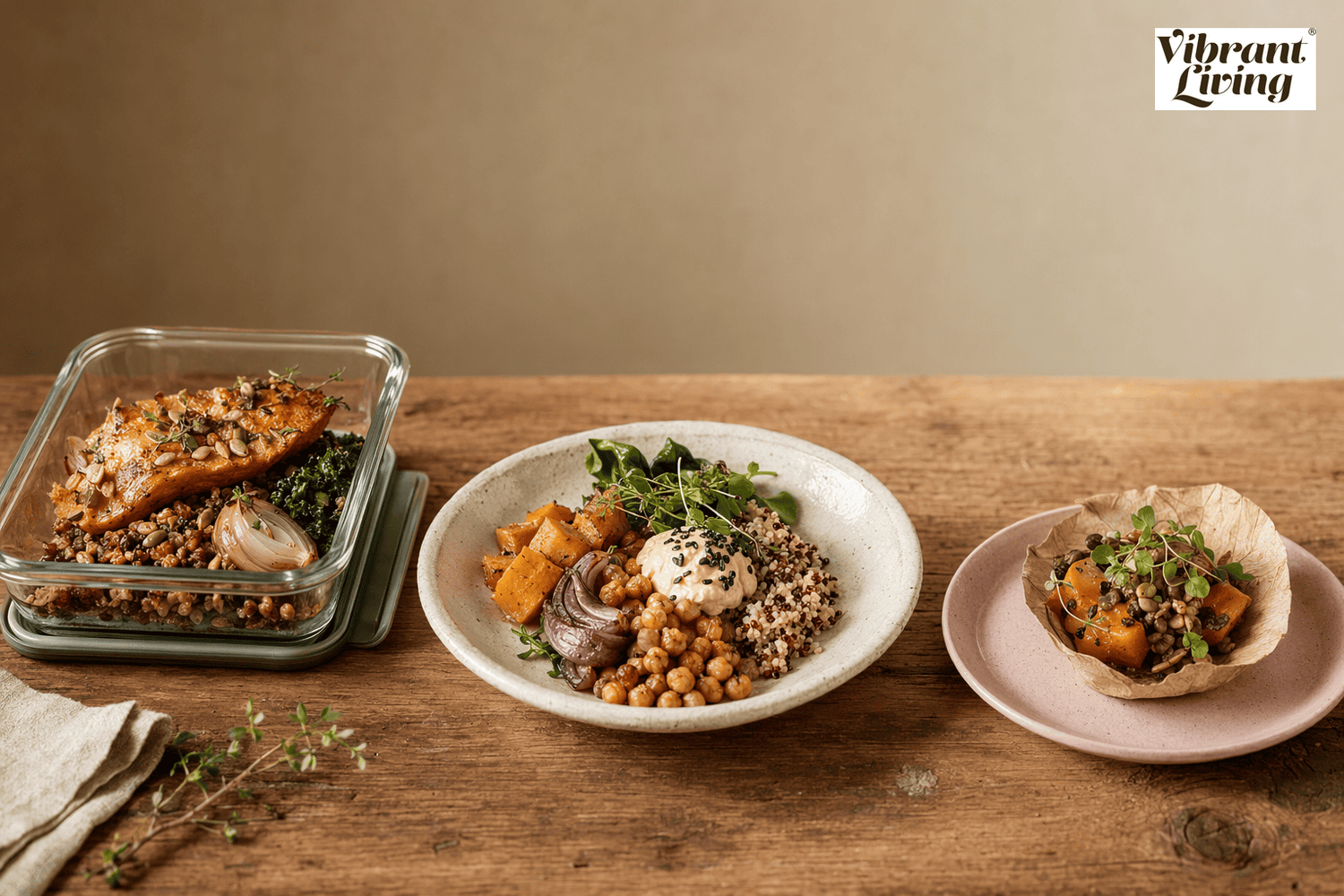
Wellness professionals hosting nutrition workshops in Hyderabad face a venue challenge: finding spaces that combine private dining capacity, menu philosophy alignment, and presentation infrastructure. Most healthy-restaurant search results prioritize dine-in ambiance over event logistics.
Key Takeaways
-
Restaurant private dining spaces for wellness workshops require 15–40 guest capacity with flexible theater-style and banquet-style seating configurations
-
Menu philosophy alignment—organic ingredients, plant-based options, anti-inflammatory cooking methods—protects nutritionist credibility during workshop meals
-
Bundled restaurant catering simplifies logistics through single-vendor management but limits customization for niche diets like Ayurvedic or macro-based plans
-
Booking lead times typically range 2–4 weeks, with deposits of 25–50% and cancellation windows of 7 to 14 days
-
Alternative venues including yoga studios, community halls, and co-working spaces offer lower fees and external-catering flexibility but require separate logistics coordination
Restaurant solutions that support celebrity nutritionist-led wellness workshops in Hyderabad require three core capabilities: private space accommodating 15 to 40 attendees with flexible seating for presentation and dining segments, menu philosophy aligned with evidence-based nutrition messaging (organic sourcing, no refined sugar, minimal processing), and logistical infrastructure including audio-visual equipment and advance booking flexibility. Venues like Vibrant Living that host nutritionist-led workshops exemplify this integration of culinary credibility and event infrastructure.
Private Space Capacity and Layout Requirements
Wellness workshops in Hyderabad typically serve 15 to 40 participants, a scale that demands dedicated private rooms rather than cordoned-off restaurant corners. The space must accommodate two distinct configurations: theater-style seating for the nutritionist's presentation segment and banquet-style arrangement for the communal meal that follows. Unlike standard private dining bookings, workshop hosts need presentation infrastructure, a clear sightline from every seat to the speaker's position, adequate natural or diffused lighting for food photography (attendees document meals for social proof), and circulation space for interactive cooking demonstrations. Restaurants advertising private dining may seat the number but lack the layout flexibility; workshop-ready venues design rooms with modular furniture and presentation zones built in.
Menu Philosophy Alignment with Workshop Messaging
A celebrity nutritionist's professional credibility hinges on menu congruence, when the workshop advocates anti-inflammatory eating yet the venue serves deep-fried starters and refined-sugar desserts, attendees question both the nutritionist's judgment and the workshop's integrity. Workshop-suitable restaurants publish ingredient sourcing practices (organic certification, small-farm partnerships, absence of artificial preservatives) that nutritionists can reference during presentations without hedging. WellnessOn, for instance, operates dietician-owned outlets with nutrition-guided high-protein, low-sugar menus, a model that allows workshop facilitators to cite the venue's own menu design as applied evidence of the principles taught. Generic 'healthy restaurants' may offer salads and grilled proteins but rarely disclose processing methods, oil types, or sugar content, gaps that undermine a nutritionist's authority when participants ask for specifics during the Q&A segment.
Logistical Support Beyond the Meal
Workshop logistics extend beyond plate presentation. Nutritionists require venue-provided audio-visual equipment, a wireless microphone system for Q&A sessions, a projector or large display for nutrition charts and meal-prep videos, and reliable high-speed internet for live recipe demonstrations or streaming. Booking terms matter: workshop hosts need advance reservation windows (8 to 12 weeks for celebrity nutritionists whose calendars fill early) and minimum guest counts that align with workshop economics (some private dining venues mandate 30+ guests, pricing out smaller masterclass formats). Restaurants that actively court workshop business publish explicit event packages with equipment inventories, advance booking policies, and per-person pricing that includes both the meal and venue infrastructure, transparency that allows nutritionists to budget accurately and avoid day-of-event surprises over projector rental fees or microphone surcharges.
Once you understand the core capabilities, the next step is translating attendee numbers into square footage and seating layouts that support both presentation and dining segments.
Space and Capacity Requirements for Nutrition Workshop Venues
When booking restaurant spaces for celebrity nutritionist-led wellness workshops, venue size and seating flexibility determine whether attendees experience a cohesive educational and dining event. A well-designed space balances lecture needs with meal service, approximately 1400 square feet per floor allows comfortable movement between presentation and dining phases without crowding.
Follow these four steps to evaluate space suitability:
-
Confirm private-room availability to ensure uninterrupted workshop flow and attendee privacy.
-
Verify capacity range matches expected group size, most restaurant bookings require 15 to 20 guests minimum and cap at 30 to 40 for private dining rooms.
-
Request floor plans or photos showing seating flexibility; theater-style rows for presentations should convert easily to banquet-style tables for meals.
-
Visit during a similar event if possible to observe sightlines, acoustics, and service flow under real conditions.
Seating Configurations for Presentation and Dining
Theater-style seating, rows of chairs facing a presenter, maximizes capacity for lecture segments, while banquet-style arrangements, round or rectangular tables, support group dining and networking. Hybrid setups combine both: start with theater rows, then transition to pre-set dining tables after the educational component. Wellness cafes hosting workshop events demonstrate how adaptable layouts accommodate both formats without requiring complete room resets.
Minimum and Maximum Guest Thresholds
Restaurant event spaces typically enforce booking minimums of 15 to 20 guests to justify private-room allocation and staff assignment. Upper capacity limits, commonly 30 to 40 attendees for private dining rooms, reflect fire-code maximums and service-quality constraints. Exceeding these thresholds often requires secondary spaces or staggered sessions.
Accessibility and Location Considerations
Attendee accessibility hinges on parking availability and public transport proximity. In Hyderabad, wellness-focused venues concentrate in Jubilee Hills, Banjara Hills, and Gachibowli, neighborhoods with established parking infrastructure and metro connectivity. Venues in these areas, such as Vibrant Living's restaurant locations, benefit from multi-location footprints that reduce travel friction for participants across the city's west and central corridors.
Space and capacity solve the physical footprint question, but attendee engagement, and nutritionist credibility, often hinges on what arrives at the table.
Menu Alignment: Why Plant-Based and Organic Catering Matters
Ingredient Transparency and Workshop Credibility
The conventional belief that 'any healthy restaurant' works for wellness workshops overlooks a critical credibility gap: attendees scrutinize alignment between the nutritionist's teaching and the meal served. Organic certification alone does not guarantee anti-inflammatory benefits, high-heat cooking can destroy polyphenols even in certified organic produce, requiring verification of preparation methods like steaming, cold-pressing, and low-temperature roasting. When a workshop instructor teaches participants to reduce free sugars to less than 10% of total energy intake and limit sodium to less than 2 grams per day, serving meals prepared with refined sugar or deep-fried items undermines the messaging. Restaurants that disclose ingredient sourcing (organic vs. Conventional, additive-free formulations) and preparation methods, such as Vibrant Living's menu, which highlights no refined sugar and no deep-frying, align with the nutritionist's evidence-based framework and reinforce attendee trust.
Dietary Restriction Accommodation
Plant-based, gluten-free, and allergen-free menu customization determines whether every attendee can participate fully in the workshop meal experience. Café Manna delivers dietician-designed, millet-based preventive-health meals with plans goal-matched for weight management, diabetes-friendly, high-protein, or balanced maintenance, illustrating how advance notice enables restaurants to tailor menus to specific health conditions. A healthy diet protects against all forms of malnutrition and is reflected in higher educational outcomes, productivity, and lifelong health, benefits that extend to workshop attendees when catering accommodates their dietary needs. Restaurants should disclose lead times for customization (typically 3 to 7 days for allergen-free preparation requiring separate kitchen protocols) and confirm whether they can meet requests like oil-free cooking, nut-free preparation, or fermented-food inclusion for gut-health workshops.
Trade-Offs: Restaurant Catering vs. External Catering Allowed
Bundled restaurant catering offers convenience and menu control: a single vendor manages ingredient sourcing, preparation, and service, and the menu has been tested in the restaurant's existing operations. Limitations include reduced customization for niche diets, a restaurant specializing in North Indian cuisine may lack expertise in Ayurvedic meal balancing or macrobiotic plating. Venues that permit external caterers provide flexibility to bring specialist providers (e.g., caterers focused on Blue Zones longevity-eating principles or anti-inflammatory ingredient combinations ), but introduce logistics complexity: the venue may charge a venue-only fee, external caterers need advance access for setup, and coordination between venue staff and caterer requires clear communication protocols. Anti-inflammatory meal costs in Hyderabad range 20 to 100 percent higher than conventional options due to specialized sourcing and cold-chain logistics, making cost transparency key when comparing bundled vs. External catering proposals.
The principles of menu alignment and private-space capacity converge in venues that have already hosted nutrition-focused programming. One documented example in Hyderabad illustrates how a restaurant can operationalize these requirements.
Case Study: Vibrant Living's Workshop Program in Hyderabad
When wellness professionals search for restaurant solutions that align with their teaching philosophy, the venue's menu approach becomes as important as seating capacity. This section documents how Vibrant Living supports nutritionist-led workshop hosting in Hyderabad and compares its offering to other venues that combine private dining with healthy-menu focus.
Holistic Nutritionist-Led Workshops at Vibrant Living
Vibrant Living hosts March workshops at Vibrant Living led by holistic nutritionist Sridevi Jasti. The Jubilee Hills venue provides event hosting for work events and wellness gatherings. While the brand facts confirm workshop hosting and the Jubilee Hills location, specific details about room capacity, A/V equipment, and maximum attendee limits are not documented in verified sources, prospective hosts should confirm these logistics directly with the venue before booking. Learn more about Vibrant Living's mission and team at vibrantliving.in/pages/about-us.
Menu Philosophy and Dietary Customization
Vibrant Living says it skips deep-fried items, refined sugar, and refined oils across its menu. The restaurant prepares food with pure plant-based ingredients and cold pressed oils, aligning with the dietary principles many nutritionists teach in their workshops. This menu-philosophy consistency means workshop leaders can serve meals that reinforce their curriculum rather than contradict it. For a deeper look at how Vibrant Living sources ingredients, see which organic meal subscription in Hyderabad is best.
Service Area and Booking Considerations
Vibrant Living operates outlets in Prashant Hills, Jubilee Hills, and RGI Airport, covering Jubilee Hills, Banjara Hills, and adjacent commercial corridors where most Hyderabad meal services concentrate. The brand is not 100% organic and says its ingredients may not have organic certifications, so workshop leaders emphasizing certified-organic sourcing should verify ingredient documentation before booking.
Comparison: Wellness Workshop Venue Options in Hyderabad
|
Venue |
Private Dining |
Healthy Menu Focus |
Customer Rating |
Awards/Media Recognition |
|---|---|---|---|---|
|
Vibrant Living |
Work events, workshop hosting |
No refined sugar, no deep-fried, plant-based |
Not publicly disclosed |
Not publicly disclosed |
|
Sage Farm Cafe |
Not publicly disclosed |
Not publicly disclosed |
Not publicly disclosed |
Not publicly disclosed |
|
Ciao Hyderabad |
Not publicly disclosed |
Not publicly disclosed |
Not publicly disclosed |
Not publicly disclosed |
|
The Quorum Hyderabad |
Not publicly disclosed |
Not publicly disclosed |
Not publicly disclosed |
Not publicly disclosed |
Beyond menu and space, successful workshop execution depends on booking timelines, deposit structures, and equipment availability, logistical details that determine whether a venue commitment becomes a smooth event or a costly scramble.
Logistical Considerations When Booking Restaurant Event Spaces
Advance Booking Windows and Minimum Guest Requirements
Most restaurants require 2 to 4 weeks' notice for private dining events, with minimum guest counts typically ranging from 15 to 20 people. Venues often stipulate minimum spend commitments rather than fixed room fees, ensuring the event meets their revenue thresholds. Confirm these details during initial inquiry to avoid last-minute capacity conflicts.
Cost Structures: Per-Head vs Venue Fee
Restaurant-bundled catering typically charges per-person packages, costs range from ₹800-2500 per person depending on menu complexity. For recurring monthly workshops, compare per-event restaurant booking against meal-subscription services like Same Old Box, which offers plans starting at ₹99 per day with free delivery, potentially reducing long-term costs when cohort attendance stabilizes.
Cancellation Policies and Deposit Terms
Deposits commonly range from 25 to 50% of the total booking value, refundable only if cancellation occurs within the venue's notice window, often 7 to 14 days prior. Booking solely on menu appeal without confirming cancellation terms breaks when workshop enrollment is uncertain; wellness professionals managing cohort-based programs should negotiate flexible cancellation clauses to mitigate financial risk tied to fluctuating attendance.
Restaurant event spaces offer bundled convenience, but they are not the only option. Several alternative venue types in Hyderabad provide different trade-offs between cost, catering control, and logistical complexity.
How to Evaluate Alternative Venues in Hyderabad
Community Centers and Wellness Studios
Yoga studios and community halls that permit external catering charge venue-only fees, typically lower than restaurant event packages, and allow organizers to select nutrition-aligned caterers independently. This setup gives wellness professionals full control over menu messaging (organic, plant-based, millet-forward), but it requires coordinating two vendors: the space rental and the meal provider. Attendee capacity usually ranges from 15 to 40, depending on the facility's layout and seating configuration.
Co-Working Spaces with Kitchen Facilities
Co-working event spaces offer presentation equipment and modular seating but typically require external catering arrangements. Kitchen access may be limited to reheating rather than full on-site preparation, so confirm equipment availability upfront. These venues provide scheduling flexibility, often bookable by the hour, which suits enrollment timelines that shift closer to the event date.
Venue-Selection Checklist for Wellness Professionals
-
Private space capacity: Confirm 15 to 40 attendee capacity with seating arrangements that support interactive workshop formats.
-
Menu alignment: Verify that the venue's catering (bundled or external) offers organic, plant-based, or health-focused options that reinforce workshop messaging.
-
A/V equipment: Confirm projector, screen, microphone availability or whether you may bring your own presentation tools.
-
Booking flexibility: Ensure deposit and cancellation policies accommodate enrollment timelines that may shift within two weeks of the event.
-
Location accessibility: Choose a venue in Jubilee Hills, Gachibowli, or Madhapur, zones attendees expect for wellness programming.
-
Cost structure: Compare per-head restaurant packages against venue-only fees plus external catering to determine which model fits your workshop budget.
Restaurant event spaces like Vibrant Living in Jubilee Hills meet criteria 1, 2, and 5 through bundled menu-and-space offerings, while community centers may deliver lower cost but require coordinating separate catering logistics. The trade-off centers on convenience versus budget control.
Conclusion
Restaurant bundled catering delivers convenience and tested menus but limits customization for niche diets like Ayurvedic or macro-based plans; community centers with external-catering allowances offer flexibility but require separate logistics coordination. Venues like Vibrant Living and WellnessOn provide nutritionist-crafted menus and documented workshop hosting, while co-working spaces and yoga studios offer lower venue fees but no in-house catering.
As wellness professionals increasingly host hybrid in-person and virtual workshops, restaurant venues will need to add livestream infrastructure and meal-kit take-home options to remain competitive for multi-format events.
Review Vibrant Living's private dining and event hosting options for your next nutrition workshop, or use the venue-selection checklist from this guide to evaluate alternative spaces in Jubilee Hills, Banjara Hills, and Gachibowli.
Frequently Asked Questions
What is the typical capacity range for restaurant private dining spaces in Hyderabad?
Most restaurant private dining rooms in Hyderabad accommodate 15 to 40 attendees, a range that supports dedicated spaces rather than cordoned-off corners. The room must allow theater-style seating for presentations and banquet-style arrangements for group dining and networking.
Does Vibrant Living offer event hosting for nutrition workshops?
Yes, Vibrant Living hosts wellness workshops led by holistic nutritionist Sridevi Jasti. The Jubilee Hills venue provides event hosting for work events and wellness gatherings. For capacity specifics and A/V equipment availability, contact the venue directly to confirm current offerings.
Why does menu philosophy matter for wellness workshop venues?
Attendees evaluate a nutritionist's credibility by comparing teaching content with the meal served. When a workshop promotes anti-inflammatory eating but the venue offers deep-fried starters and refined-sugar desserts, the contradiction undermines professional trust and educational impact.
What are the trade-offs between restaurant catering and external catering for wellness workshops?
Bundled restaurant catering offers convenience, tested menus, and single-vendor management. External catering permits specialist diets like Ayurvedic or macro-based plans but adds logistics complexity, coordinating separate vendors for food delivery, setup, and service alongside venue rental.
How far in advance should I book a restaurant for a wellness workshop?
Most restaurants require 2 to 4 weeks' notice for private dining events, with minimum guest counts of 15 to 20 people. Peak dates, weekends and evenings, often need longer lead times. Confirm booking windows and deposit requirements when first contacting venues.
Are there alternative venues to restaurants for nutrition workshops in Hyderabad?
Yes, yoga studios and community halls permit external catering and charge venue-only fees, typically lower than restaurant packages. Co-working event spaces offer presentation equipment and modular seating but require separate catering arrangements. Confirm kitchen access and reheating equipment upfront.
Which Hyderabad neighborhoods have the most wellness-focused restaurant options?
Jubilee Hills, Banjara Hills, and Gachibowli concentrate the majority of wellness-focused restaurant options in Hyderabad. These neighborhoods cluster healthy cafes, organic dining venues, and private event spaces, improving attendee accessibility from both residential and commercial areas.


