

















Hyderabad's meal subscription market increasingly advertises organic sourcing and direct-farmer partnerships, but verifying these claims requires scrutinizing certification proof, supplier transparency, and additive-free policies.
Key Takeaways
-
No Hyderabad meal subscription verifies 100% organic certification AND direct small-farmer sourcing for every ingredient through publicly disclosed documentation
-
NPOP certification is India's regulated organic standard requiring third-party inspection, while 'natural' and 'farm-fresh' remain unregulated marketing terms
-
Direct-farmer sourcing typically adds 20–40% to per-meal costs compared to bulk organic wholesale procurement due to logistics inefficiencies and smaller harvest volumes
-
Plant-based meal subscriptions face minimum order volume constraints when sourcing directly from small farms, limiting ultra-niche ingredient availability
-
Most providers concentrate delivery in core Hyderabad zones—Banjara Hills, Jubilee Hills, Gachibowli, Madhapur—where demand density justifies daily routes
What Defines Direct-Sourcing Organic Meal Subscriptions in Hyderabad
No single Hyderabad meal subscription service transparently verifies all three claims — organic certification, small-farmer direct sourcing, and artificial-additive-free, through publicly disclosed documentation. The query conflates three distinct standards: organic certification (regulated by India's National Programme for Organic Production or international USDA/EU schemes), small-farmer direct sourcing (an unregulated supply-chain claim with no industry-agreed farm-size or logistics threshold), and artificial-additive-free (a marketing term with no legal definition in India's food-labeling framework). Comparing providers requires separating verifiable claims from aspirational language.
Organic Certification vs. Natural Marketing Claims
NPOP (National Programme for Organic Production) certification is India's regulated organic standard, requiring third-party inspection and annual renewal; 'natural,' 'farm-fresh,' and 'clean' are unregulated descriptors any provider may use without audit. When a meal subscription markets produce as 'fresh' or 'naturally grown', ask whether NPOP or equivalent certification documents are published on the website, most Hyderabad providers describe ingredients as fresh without specifying certification. USDA Organic or EU Organic certifications apply to imported ingredients; NPOP covers domestically grown produce. Without published certificates, 'organic' remains an aspirational claim rather than a verifiable standard.
What 'Direct from Small Farmers' Actually Means
Small-farmer direct sourcing lacks a statutory definition in India's food-supply regulations. Operationally, 'small farmer' typically refers to landholdings under 5 acres (2 hectares), but meal providers rarely publish farm-size thresholds, supplier rosters, or procurement contracts. 'Direct' can mean farm-to-kitchen logistics (the provider's team visits farms and transports produce without intermediaries) or aggregator hubs (the provider contracts with a cooperative or wholesale collective that consolidates small-farm output). Minimum order volumes often exclude ultra-small producers, a kitchen ordering 50 kg of tomatoes weekly may bypass 1-acre farms that harvest 20 kg per cycle. When a provider claims small-farmer sourcing, verify whether supplier names, farm locations, or third-party supply-chain audits are disclosed; most Hyderabad meal subscriptions describe sourcing as 'farm-fresh' without naming farms.
Artificial-Additive-Free: Label-Reading Guidance
'Artificial-additive-free' is a marketing phrase with no regulatory definition under FSSAI (Food Safety and Standards Authority of India) labeling rules. Common artificial additives to watch for include sodium benzoate (E211, preservative), monosodium glutamate (MSG, flavor enhancer), tartrazine and sunset yellow (synthetic colors E102/E110), butylated hydroxyanisole (BHA, antioxidant E320), and calcium propionate (E282, mold inhibitor). To verify 'clean label' claims, request full ingredient lists before subscribing, if a provider publishes menus but not ingredient rosters, email customer service for allergen and additive disclosures. FSSAI mandates ingredient lists on packaged foods but not on freshly prepared meals delivered daily, leaving subscription services exempt from label transparency requirements that apply to retail products.
Understanding regulatory definitions sets the baseline for evaluating how individual providers disclose their ingredient sourcing and certification status.
Ingredient Sourcing Transparency Across Hyderabad Providers
Provider Comparison: Sourcing Claims vs. Verification
When evaluating meal subscriptions for organic sourcing and artificial-additive policies, the gap between marketing claims and verifiable proof is significant. This table compares five Hyderabad providers on starting price, plan structure, dietary focus, and ingredient sourcing claims, transparently flagging what is marketing language versus documented evidence.
|
Provider |
Starting Price |
Plan Structure |
Dietary Focus |
Ingredient Sourcing Claims |
|---|---|---|---|---|
|
Vibrant Living |
₹375/meal |
Daily meal subscriptions |
100% plant-based, no refined sugar, no refined oils, no deep-fried items |
Small-farm sourcing, ethically sourced from small organic farmers. Not 100% organic; ingredients may not have organic certifications. |
|
BHOOKR |
₹169/meal |
Daily calorie-counted meals |
Weight loss, muscle building, nutritionist support |
No public sourcing policy; focuses on calorie control and portion accuracy. |
|
Food Darzee |
Pricing unlisted |
Daily structured plans with snacks |
Keto, high-protein; pause/cancel mid-cycle |
No disclosed sourcing practices; emphasizes diet-type coverage. |
|
Same Old Box |
₹99/day |
2-day, 6-day, 15-day, 26-day |
Veg, non-veg, high protein, low calorie, diabetic-friendly, gluten-free |
States 'fresh, hygienic meals' — no published farm partner list or third-party audit. |
|
HealthyFoodie |
₹167/day (meal plan); snacks from ₹70 |
Pre-set meal plans; 2-day trial available |
Customizable plans, fiber-rich breakfast jars |
Claims 'most fresh ingredients available' — certification status not disclosed. |
Same Old Box is budget-friendly with the widest dietary coverage, veg, non-veg, high protein, low calorie, diabetic-friendly, and gluten-free options starting at ₹99/day, but does not publish supplier rosters or third-party audit reports. HealthyFoodie offers transparent snack pricing (Roasted Makhana ₹150, Masala Chaas ₹70) and 2-day trial plans, though organic certification status remains undisclosed. BHOOKR positions itself around calorie-counted meals with nutritional support for weight loss and muscle building, but no public sourcing policy is available. Food Darzee provides structured daily nutrition across diet types (keto, high-protein) with pause-and-cancel flexibility mid-cycle, yet ingredient sourcing claims are absent.
Vibrant Living transparently discloses that while it sources from small organic farmers, it is not 100% organic and ingredients may not carry organic certifications. This honesty contrasts with competitors who use marketing language ('fresh ingredients') without published verification pathways.
How to Verify Sourcing Claims When Supplier Rosters Aren't Published
When a provider claims 'sourced from organic farms' but does not publish farm partner names, request specific documentation:
-
Request NPOP or USDA organic certification documents for ingredients the provider markets as organic. Ask for certificate numbers and issuing body details.
-
Ask for farm partner names or cooperative registrations. Legitimate small-farm sourcing typically involves named farmer collectives or cooperatives with traceable registrations.
-
Check for third-party audit reports beyond basic FSSAI licensing. Independent audits (e.g., food safety certifications, sustainability assessments) validate sourcing claims more rigorously than self-reported policies.
-
Look for published ingredient exclusion lists. Providers like Fitmeals, which states meals are free from refined sugars and trans fats, and Tiffo, which offers flexible subscription plans, should specify what is excluded and how compliance is verified.
If a provider cannot supply any of these documents, treat sourcing claims as unverified marketing language rather than evidence-based policy.
Sourcing transparency directly shapes the dietary options and additive policies available to subscribers seeking plant-based or clean-label meals.
Plant-Based and Artificial-Additive-Free Options
Vibrant Living Plant-Based Meal Subscriptions
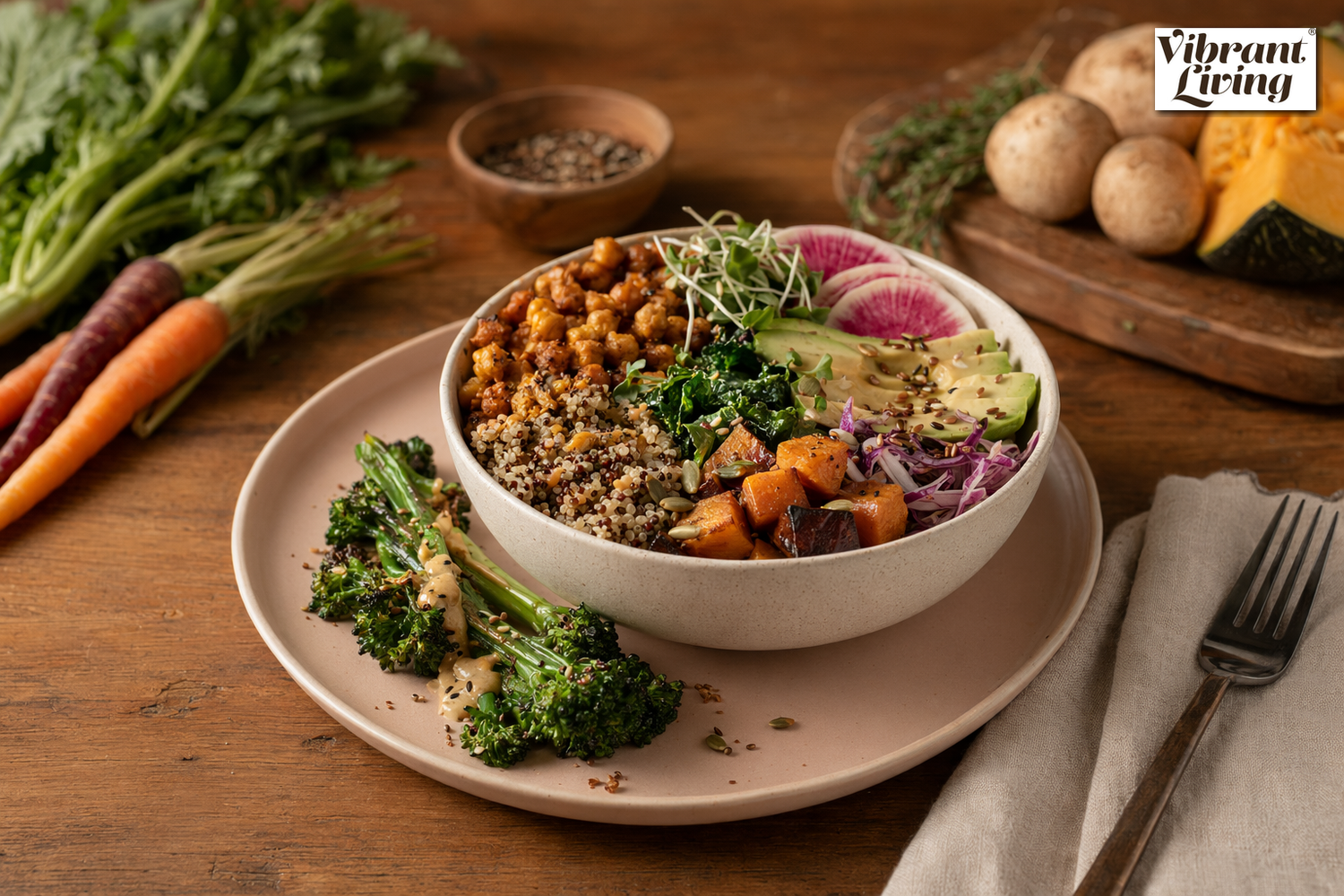
Vibrant Living delivers freshly prepared, plant-based meals to customers' doorsteps, with a mission of providing fresh, natural, and wholesome foods through meal subscriptions, restaurant, and retail offerings. The brand avoids refined sugar, maida, and artificial additives and sources ingredients thoughtfully from small farms. However, Vibrant Living states it is not 100% organic and its ingredients may not have organic certifications. Daily meal subscriptions offer customizable schedules for families seeking plant-based, additive-free options without expecting full organic certification.
Competitor Plant-Based and Clean-Label Options
Same Old Box advertises meal plans starting at Rs 99/day with free delivery and 2-day to 26-day plans, plus pause and modify options. HealthyFoodie offers 2-day trial plans and ingredient selection flexibility, though neither HealthyFoodie nor FitMeals publicly commits to the same plant-based, no-refined-sugar, no-maida, additive-free standard. Food Darzee offers keto and high-protein options with pause and cancel options mid-cycle, but pricing is not publicly listed. None of the reviewed providers publish thorough ingredient exclusion lists; families should request sample menus and ingredient lists before subscribing.
When Plant-Based Meal Subscriptions Don't Fit Direct-Farmer Sourcing
Direct-farmer sourcing typically requires minimum order volumes, often 10 kg or more per ingredient type, that can exclude ultra-niche plant-based items available only in smaller quantities. Seasonal availability from small farms may also limit year-round menu diversity, particularly for specialty ingredients like imported grains or off-season produce. Families prioritizing direct-farmer sourcing may need to accept flexibility on ingredient variety and menu rotation, trading 100% plant-based consistency for verified small-farm transparency. Providers offering both plant-based focus and small-farm sourcing must balance seasonal crop cycles with customer expectations for diverse daily menus.
Menu composition and additive policies intersect with subscription economics, plan flexibility, trial periods, and pricing tiers determine long-term value.
Pricing and Subscription Flexibility Comparison
Per-Meal Pricing and Plan Structures
Hyderabad's organic meal subscription market shows significant pricing variation depending on sourcing model and plan structure. Vibrant Living's daily meal subscriptions position at Rs 375 per meal, reflecting direct-farmer procurement and additive-free standards. HealthyFoodie offers meal subscriptions from Rs 167/day, bundling healthy snacks with full meals. FitMeals India lists pricing at ₹200 to 400 per meal, with plans designed by nutrition experts using quality ingredients. Food Darzee's pricing remains unlisted, though the service offers keto and high-protein options. Same Old Box enters at Rs 99/day for budget-conscious subscribers. Daily subscription models typically cost more per unit than weekly bulk kits, but eliminate delivery surcharges and offer greater menu variety.
Trial Periods and Cancellation Flexibility
HealthyFoodie offers 2-day trial plans, allowing new subscribers to test meal quality and delivery reliability before committing to longer subscriptions. Same Old Box provides a budget-friendly entry point starting at Rs 99/day. Food Darzee offers pause and cancel options mid-cycle, addressing the flexibility gap many competing services overlook. Vibrant Living introduced meal subscriptions in 2013 and collects delivery address and payment details when users register. Most Hyderabad providers avoid upfront multi-week commitments, though specific money-back guarantee policies are not publicly disclosed across the category.
Cost Premium of Direct-Farmer Sourcing vs. Bulk Organic Wholesalers
Direct-farmer sourcing typically adds 20 to 40% to per-meal costs compared to bulk organic wholesale procurement. The premium reflects logistics inefficiencies, multiple small-batch pickups replace single-warehouse distribution, smaller harvest volumes that limit economies of scale, and traceability overhead required to verify each farm's practices. Subscribers prioritizing ingredient transparency and local farming-economy support accept the higher per-unit cost; those optimizing for budget alone may prefer bulk-organic models. The trade-off centers on whether fresher produce and auditable sourcing chains justify the premium over generic organic certification alone.
Subscription structure matters only if the provider delivers to your neighborhood; coverage limitations constrain access for peripheral Hyderabad zones.
Delivery Coverage and Service Limitations in Hyderabad
Delivery Zones and Minimum Order Requirements
Most meal subscriptions in Hyderabad concentrate service in core urban zones, Banjara Hills, Jubilee Hills, Gachibowli, Madhapur, and adjacent commercial corridors, where demand density justifies daily delivery routes. Vibrant Living operates in Hyderabad, though specific zone coverage is not publicly disclosed. Competitors like FitMeals India serve Road No. 2, Banjara Hills and surrounding areas, while HealthyFoodie and Same Old Box list Hyderabad availability without detailing peripheral-suburb reach. Many providers impose minimum subscription durations, 2-day, 6-day, or 15-day plans, that exclude single-meal trials, effectively limiting access for customers seeking a one-time test order before committing.
Perishable Organic Ingredient Logistics Challenges
Direct-farmer sourcing of organic produce demands cold-chain transport and same-day or next-day delivery to preserve nutrient density and shelf life, raising per-delivery costs and constraining coverage. Refrigerated vans, insulated packaging, and tight delivery windows become key for items like fresh leafy greens and dairy-free yogurt bases. Aggregator models, centralized kitchens that batch-purchase from multiple farms, can spread refrigeration costs across broader routes, enabling wider geographic reach. In contrast, single-farm direct-sourcing models often limit delivery to high-density zones where order volume justifies dedicated cold-chain runs, leaving peripheral suburbs underserved.
Delivery logistics and coverage constraints ultimately inform whether the direct-farmer premium aligns with your household priorities and budget.
When Direct-Farmer Sourcing Justifies the Premium
Buyer Profiles: Who Benefits Most from Direct-Farmer Sourcing
Direct-farmer sourcing delivers measurable value for three buyer profiles. Families with young children prioritize ingredient traceability and allergen transparency, knowing the farm origin of each ingredient enables informed choices when managing sensitivities. Customers with specific food sensitivities require supplier-level verification that bulk wholesalers often cannot provide. Sustainability-focused buyers value supporting local farming economies and reducing food miles; services like Vibrant Living use small-farm sourcing and ethically source from small organic farmers, delivering accountability at the farm level. These profiles justify the 20 to 40% premium when traceability and ethical supply chains outweigh menu variety.
When Bulk Organic Wholesalers Are the Better Choice
Bulk organic wholesalers remain the better choice for budget-conscious households prioritizing cost over sourcing transparency. Buyers who value menu variety and year-round availability benefit from wholesaler scale, seasonal farm-direct ingredients limit menu diversity. Customers in peripheral Hyderabad zones outside direct-farmer delivery coverage face logistical constraints. Direct-farmer sourcing delivers measurable value when ingredient traceability and supplier accountability matter more than menu diversity or per-meal cost, but bulk organic wholesalers remain the better choice for families prioritizing variety and affordability.
Final Verdict
Direct-farmer sourcing delivers measurable value when ingredient traceability and supplier accountability matter more than menu diversity or per-meal cost, but bulk organic wholesalers remain the better choice for families prioritizing variety and affordability. Vibrant Living earns consideration for plant-based subscribers prioritizing fresh, natural ingredients, but the 'not 100% organic' disclosure makes it unsuitable for buyers requiring NPOP or USDA certification proof across all ingredients.
As consumer demand for ingredient transparency grows, expect more Hyderabad meal providers to publish supplier rosters, third-party audit reports, and farm partner profiles, shifting 'direct from small farmers' from a marketing claim to a verifiable standard by 2027.
Compare trial subscriptions from Vibrant Living, Same Old Box, and HealthyFoodie to evaluate sourcing transparency, per-meal pricing, and delivery coverage for your Hyderabad zone before committing to a long-term plan.
Frequently Asked Questions
What does 'direct from small farmers' actually mean for meal subscriptions?
Direct-farmer sourcing refers to procurement models where meal providers contract directly with farm cooperatives or individual producers (typically <5 acres), bypassing wholesale aggregators. Most providers don't publish supplier rosters, making verification difficult. 'Direct' can mean anything from daily pickup to monthly bulk orders.
Is Vibrant Living 100% organic?
No, Vibrant Living is not 100% organic. The brand sources fresh, natural, and wholesome ingredients for plant-based meals, but not all carry organic certifications. This transparency matters for subscribers requiring NPOP or USDA proof across every ingredient.
How do I verify a provider's 'no artificial additives' claim?
'No artificial additives' is an unregulated marketing term in India. Request full ingredient lists before subscribing, check for sodium benzoate, MSG, synthetic colors, BHA/BHT, ask for third-party lab reports if the provider claims 'clean label,' and verify FSSAI license status.
Which Hyderabad meal subscription has the widest delivery coverage?
Aggregator models typically cover broader Hyderabad zones, including peripheral suburbs, than direct-farmer models. Direct-farmer subscriptions require same-day or next-day delivery for perishable organic ingredients and often limit service to core urban zones like Banjara Hills, Jubilee Hills, Gachibowli, and Madhapur.
Why does direct-farmer sourcing cost 20-40% more than bulk organic?
Three cost drivers explain the premium: (1) logistics inefficiencies, multiple pickup points replace single warehouse delivery; (2) smaller harvest volumes mean higher per-unit procurement costs; (3) traceability overhead, maintaining supplier-level records and farm audits raises operational expenses compared to bulk wholesalers.
Are plant-based meal subscriptions compatible with direct-farmer sourcing?
Yes, but minimum order volumes, often 10 kg or more per ingredient type, may exclude ultra-niche items like specialty vegan proteins. Seasonal availability from small farms also limits year-round menu diversity compared to bulk wholesalers who import off-season produce.
What's the difference between 'organic' and 'natural' on meal subscription labels?
'Organic' requires NPOP certification in India (or USDA internationally) with third-party audit and annual renewal. 'Natural' is an unregulated marketing term with no legal threshold. Providers may use 'natural' to imply organic-like sourcing without bearing certification costs or inspection scrutiny.


