



















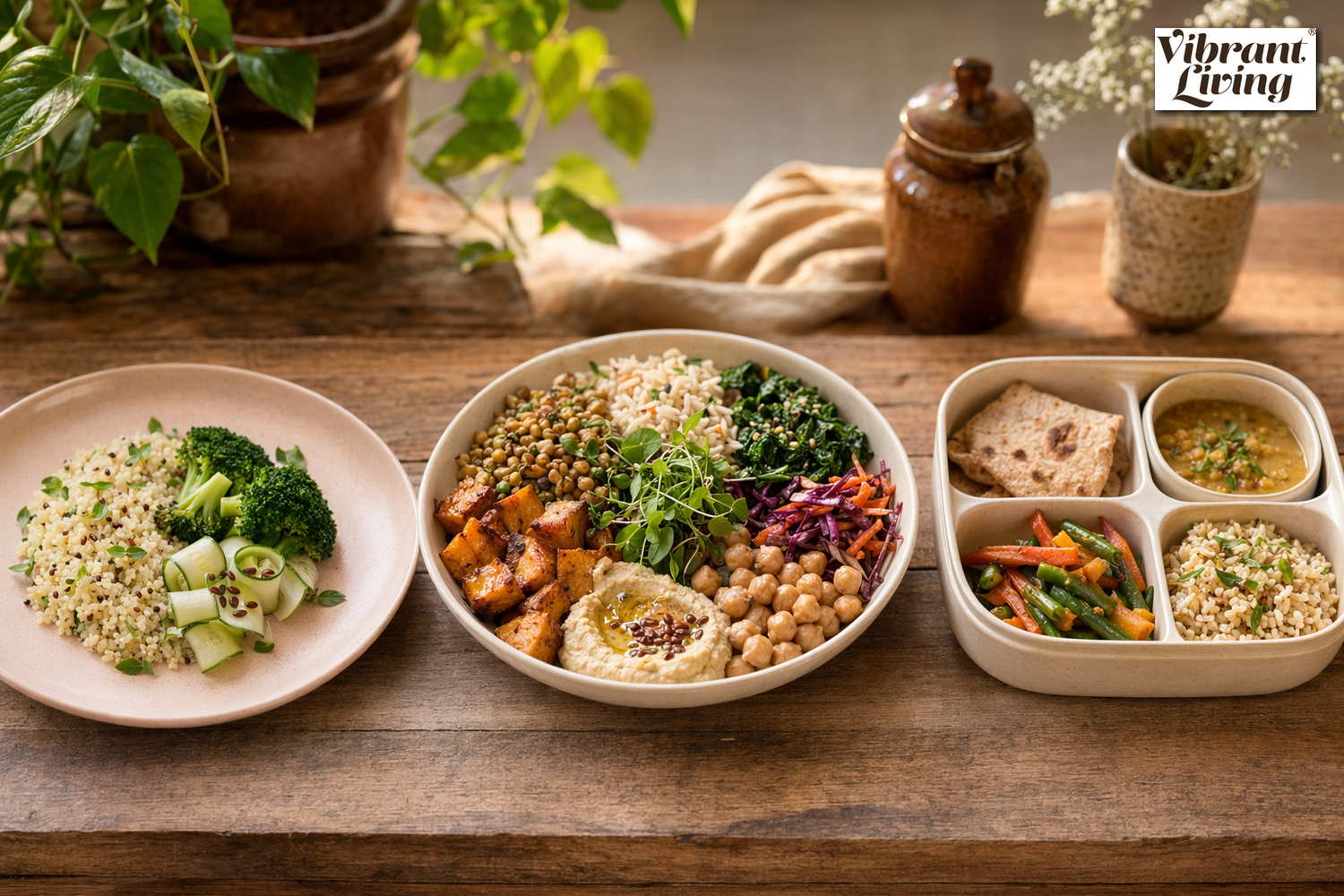
Hyderabad's organic food market is booming, but not all products labeled 'organic' or 'natural' are free from refined sugar and synthetic additives. For health-conscious shoppers, finding genuinely clean products requires cutting through misleading marketing claims and verifying certifications that many retailers fail to properly disclose.
This guide equips you with systematic verification skills to identify truly organic, additive-free products across Hyderabad's stores and delivery services. You'll learn to decode certification labels, spot hidden refined sugar aliases, recognize synthetic additives, and verify FSSAI licenses in minutes, ensuring every product you buy meets your clean-eating standards.
Key Takeaways
-
FSSAI India Organic certification guarantees farming practices but does not exclude refined sugar—verify both certification and ingredient panels separately
-
Refined sugar appears under dozens of aliases including dextrose, maltodextrin, invert sugar, and organic cane juice—reading ingredient lists is key
-
Use the Jaivik Bharat portal to verify FSSAI license numbers and authenticate organic claims before purchasing products
-
Walk-in stores like Purity Prayag and online services like FitMeals offer different verification advantages—choose based on your inspection priorities
-
Watch for unregulated terms like 'natural' and 'chemical-free' that lack legal standards in India and require independent ingredient verification
What do you mean by organic food?
Organic food is food grown without synthetic pesticides, chemical fertilizers, or GMOs, following natural farming practices instead. It's a farming claim, not a processing claim, so it doesn't say anything about refined sugar or additives added afterward.
Organic vs. Natural vs. Additive-Free: Definitions That Matter
Organic certification covers farming practices, not processing. A product can carry the India Organic logo and still contain refined sugar, emulsifiers, or other additives permitted under NPOP standards. The regulations specify that "only additives or processing aids permitted in National Standards for Organic Production or PGS India are permitted in organic food", but this list includes many ingredients consumers seeking clean-label products want to avoid.
"Natural" is an unregulated marketing term in India with no legal standard. Additive-free requires checking the ingredient panel directly, look for E-numbers (synthetic additives), refined sugar aliases (sucrose, high-fructose corn syrup, dextrose), and stabilizers. These are separate label checks beyond organic certification.
Finding truly organic products without refined sugar or additives in Hyderabad requires two separate checks: first, verify the product carries FSSAI India Organic certification, which guarantees farming practices exclude synthetic pesticides and second, read the ingredient panel to confirm the product contains no refined sugar or synthetic additives, since organic certification does not automatically exclude these processing ingredients.
What to check before trusting any label
A few minutes of label-reading saves you from greenwashing:
-
Look for the India Organic (Jaivik Bharat) logo, or a USDA Organic / EU Organic mark, if a product specifically claims to be organic. Without one of these, "organic" on a packet is a marketing word, not a regulated promise.
-
Read the ingredients list, not the front of the pack. If sugar, glucose syrup, or maida shows up in the first five ingredients, "guilt-free" doesn't apply.
-
Watch for vague terms like "preservatives" or "flavouring agents" with no specifics. Genuinely additive-free products usually list things you'd recognize from your own kitchen.
-
For loose produce at markets, ask the seller directly where it's grown and whether they use chemical pesticides. Most small farmers selling at Rythu Bazaars will tell you straight, even without formal certification.
How to shop for organic and clean-label food in Hyderabad
Hit a government Rythu Bazaar for fresh produce. Farmers sell directly with no middlemen, so prices stay fair and the chain from farm to stall is short. Go early for the best stock, and don't hesitate to ask the seller where it's grown and whether they spray. None of it is certified organic, but most small farmers will tell you straight.
Use certified organic chains for packaged staples. For pulses, millets, and spices that need an actual certification behind them, 24 Mantra Organic, Organic India, and Sahaja Aharam (run by a Hyderabad-based farmer producer cooperative) are the names to check first. The Organic World has also been opening new outlets across the city if you want a one-stop organic supermarket instead of hunting across multiple stores.
Go farm-direct if you want to skip retail markup entirely. Tazawan runs a Kondapur store alongside farm deliveries, and a few platforms now connect you straight to growers around the city. This is the most direct way to ask a farmer about their methods before you buy.
Shop clean-label brands when refined sugar and additives are your real concern. This is a different category from certified organic, and it's where most people actually find what they're looking for. Vibrant Living, founded by holistic nutritionist Sridevi Jasti, is a Hyderabad name worth knowing here.
They're upfront that they aren't 100% organic-certified, but their guilt-free snacks, gourmet groceries, and cold-pressed oils are made with no refined sugar, no maida, and no artificial preservatives, sourced from the small farmers they work with directly. Build a shortlist instead of looking for one perfect store
No single shop in Hyderabad covers everything. Most people who eat this way end up mixing three sources: a Rythu Bazaar or farm subscription for fresh produce, a certified organic store for staples like pulses and spices, and a clean-label brand for snacks and packaged groceries where the no-refined-sugar, no-additives claim matters more than an organic stamp. That combination covers both halves of what you're actually looking for, organic where it counts, and additive-free where it counts.
How to Identify Hidden Refined Sugar and Additives on Product Labels
Even products labeled 'organic' or 'natural' may contain refined sweeteners and synthetic additives. Learning to decode ingredient panels helps you distinguish genuinely clean products from those with ultra-processed ingredients.
Refined Sugar Aliases: The 50+ Names You Need to Recognize
Manufacturers list refined sugar under dozens of names. Watch for these common aliases:
-
Dextrose
-
Maltodextrin
-
Invert sugar
-
Corn syrup (or high-fructose corn syrup)
-
Sucrose
-
Maltose
-
Barley malt
-
Rice syrup
-
Cane sugar (organic or conventional)
-
Agave nectar
Ingredients appear in descending order by weight. If any of these names occupy the first three to five positions, the product is sugar-heavy despite organic certification.
Synthetic Additives to Avoid: E-Numbers and Their Health Implications
E-numbers signal synthetic processing. These additives are legal in India but excluded by genuinely clean brands:
-
E211 (sodium benzoate), preservative linked to consumer health concerns about ultra-processed foods
-
E202 (potassium sorbate), preservative common in packaged snacks
-
E102 (tartrazine), artificial yellow color
-
E110 (sunset yellow), artificial orange color
-
E621 (monosodium glutamate / MSG), flavor enhancer
Products carrying multiple E-numbers in the first half of the ingredient list are ultra-processed, regardless of front-of-pack organic claims.
How Vibrant Living Avoids Refined Sugar and Additives
Vibrant Living, available in Hyderabad, skips refined sugar, refined oils, and artificial preservatives, an example of a local option meeting these criteria. Products like Turmeric Powder demonstrate clean-label sourcing without synthetic additives.
Armed with label-reading skills, you can now apply these verification techniques at Hyderabad's growing network of organic retailers and delivery services.
-
'Natural' without organic certification, Terms like 'natural' or 'wholesome' carry no regulatory definition under FSSAI tandards and do not guarantee pesticide-free or additive-free ingredients.
-
'Sugar-free' but contains maltitol or sugar alcohols, Products marketed as sugar-free may use refined sugar alcohols (maltitol, sorbitol) that can cause digestive distress and spike blood glucose similarly to refined sugar.
-
Missing or unverifiable FSSAI license number, All packaged food products sold in India must display a 14-digit FSSAI license number on the label; absence suggests unlicensed production or counterfeit labeling.
-
Vague sourcing statements, Phrases like 'imported ingredients' or 'premium quality' without naming specific farms, regions, or certification bodies obscure the supply chain and prevent verification.
-
Long ingredient lists with chemical-sounding names, Products with 15+ ingredients, particularly those with numbers (E471, E330) or technical terms (sodium benzoate, butylated hydroxyanisole), often contain refined additives and preservatives.
-
'Healthy' or 'artisan' marketing without ingredient transparency, Premium packaging and artisan branding do not equate to clean ingredients; always verify the ingredient panel matches the marketing claims.
-
'Homemade' or 'home-cooked' without sourcing disclosure, Services like home-cooked meal delivery may use fresh preparation but do not guarantee organic or additive-free sourcing unless explicitly certified.
-
'High-protein' or 'fitness-focused' without additive disclosures, Protein meal subscriptions emphasize macronutrient content but may still use refined oils, preservatives, or non-organic ingredients in preparation.
Where to find organic food for into Hyderabad
Pre-Shopping Preparation: Research and Planning
Start by listing priority categories, staples like grains, pulses, oils, and spices where organic certification and additive-free status deliver the highest health impact. Research brands on the Jaivik Bharat portal and map nearby stores or delivery services with verified reputations. Prioritize staples before expanding to occasional snacks.
In-Store or Online: The 5-Step Verification Workflow
-
Check for India Organic logo and FSSAI license number on the package.
-
Enter the FSSAI license number on Jaivik Bharat to verify authenticity.
-
Scan ingredient panels for refined sugar aliases (dextrose, maltodextrin) and synthetic additive E-numbers (E211, E621).
-
Ask staff about sourcing in-store or check online transparency pages.
-
Compare price versus conventional alternatives, genuinely organic products typically cost 20 to 40% more due to certification and farming practices.
For readers interested in traditional organic staples, Vibrant Living's article on Ragi Mudda explores seasonal, additive-free ancient grains available in Hyderabad.
Post-Purchase: Reporting Mislabeled Products
Report counterfeit organic claims via the Jaivik Bharat portal's 'Report Mislabeling' feature or FSSAI's consumer helpline, empowering accountability and protecting other shoppers. As Hyderabad's organic market matures, consumer label literacy will drive higher transparency standards, shoppers who verify claims today are building the foundation for a cleaner, more accountable food system in 2026 and beyond.
Taking Action: Your Next Steps for Organic Shopping in Hyderabad
Walk-in organic stores like Purity Prayag offer immediate product inspection and staff interaction for sourcing questions, while online services provide convenience and home delivery, readers should choose based on whether hands-on verification or delivery speed matters more for their workflow. Certified organic products typically cost 20 to 40% more than conventional alternatives due to certification overhead and farming practices, readers prioritizing health and environmental impact accept this premium, while budget-conscious shoppers may focus on a few high-impact organic staples (oils, spices) rather than converting their entire pantry.
As Hyderabad's organic market matures in 2026, consumer demand for ingredient transparency and FSSAI license verification is driving higher accountability, shoppers who verify claims today are shaping a cleaner, more trustworthy food system for the city.
Start your organic shopping checklist this week: verify FSSAI licenses on the Jaivik Bharat portal, scan ingredient panels for refined sugar aliases, and explore Vibrant Living's additive-free Kodo Millet and other staples available in Hyderabad.
Frequently Asked Questions
What is the difference between FSSAI organic certification and 'natural' product claims?
FSSAI organic certification (India Organic logo) is a legally regulated standard enforced by APEDA under NPOP, requiring specific farming, pesticide, and traceability compliance. 'Natural' is an unregulated marketing term with no legal definition in India, any brand can label products 'natural' without third-party verification. Always check for the India Organic logo and FSSAI license number for genuine certification.
How can I verify if a product's FSSAI organic license is authentic?
Visit the Jaivik Bharat portal (jaivikbharat.fssai.gov.in), enter the FSSAI license number printed on the product package, and check if the product appears in the official database. If the license number is missing, unverifiable, or the product is not listed, the organic claim may be counterfeit. This cross-reference step is key to confirm authenticity.
What are the most common refined sugar aliases to watch for on ingredient labels?
Common refined sugar aliases include dextrose, maltodextrin, invert sugar, corn syrup, sucrose, maltose, barley malt, rice syrup, cane juice, and fruit juice concentrate. These appear frequently in 'healthy' or 'organic' snacks, so reading ingredient panels carefully is key even for certified organic products. Ingredients are listed in descending order by weight, so position matters.
Does organic certification guarantee a product is free from refined sugar and additives?
No, organic certification governs farming practices (no synthetic pesticides, GMOs) but does not automatically exclude refined sugar or all processing additives. A product can be certified organic and contain organic cane sugar, organic maltodextrin, or organic emulsifiers. Shoppers must separately verify the ingredient panel for refined sweeteners and synthetic E-numbers to ensure additive-free status.
Where can I buy verified organic products in Hyderabad?
Walk-in options include Purity Prayag (5 locations: Kondapur, Banjara Hills, Nallagandla, Marredpally, Kompally) and Organic India Store (Gachibowli). Online delivery services include FitMeals, Casserole Plus, and Vibrant Living. Always verify FSSAI license numbers and ingredient transparency for each store, 'organic store' branding does not guarantee every product meets your criteria.
What synthetic additives should I avoid when looking for additive-free products?
Avoid preservatives like E211 (sodium benzoate) and E202 (potassium sorbate), artificial colors like E102 (tartrazine) and E110 (sunset yellow), and flavor enhancers like E621 (MSG). These are legal in India but signal ultra-processing. Check ingredient panels for E-numbers, if present, the product is not additive-free even if organically certified.
How does Vibrant Living ensure its products are free from refined sugar and additives?
Vibrant Living skips refined sugar, refined oils, and deep-fried items, and crafts products free from artificial preservatives and additives. Products are available in Hyderabad. Note: Vibrant Living is not a 100% organic brand, and not all ingredients have organic certifications, shoppers should verify individual product labels for certification status and ingredient lists.


