



















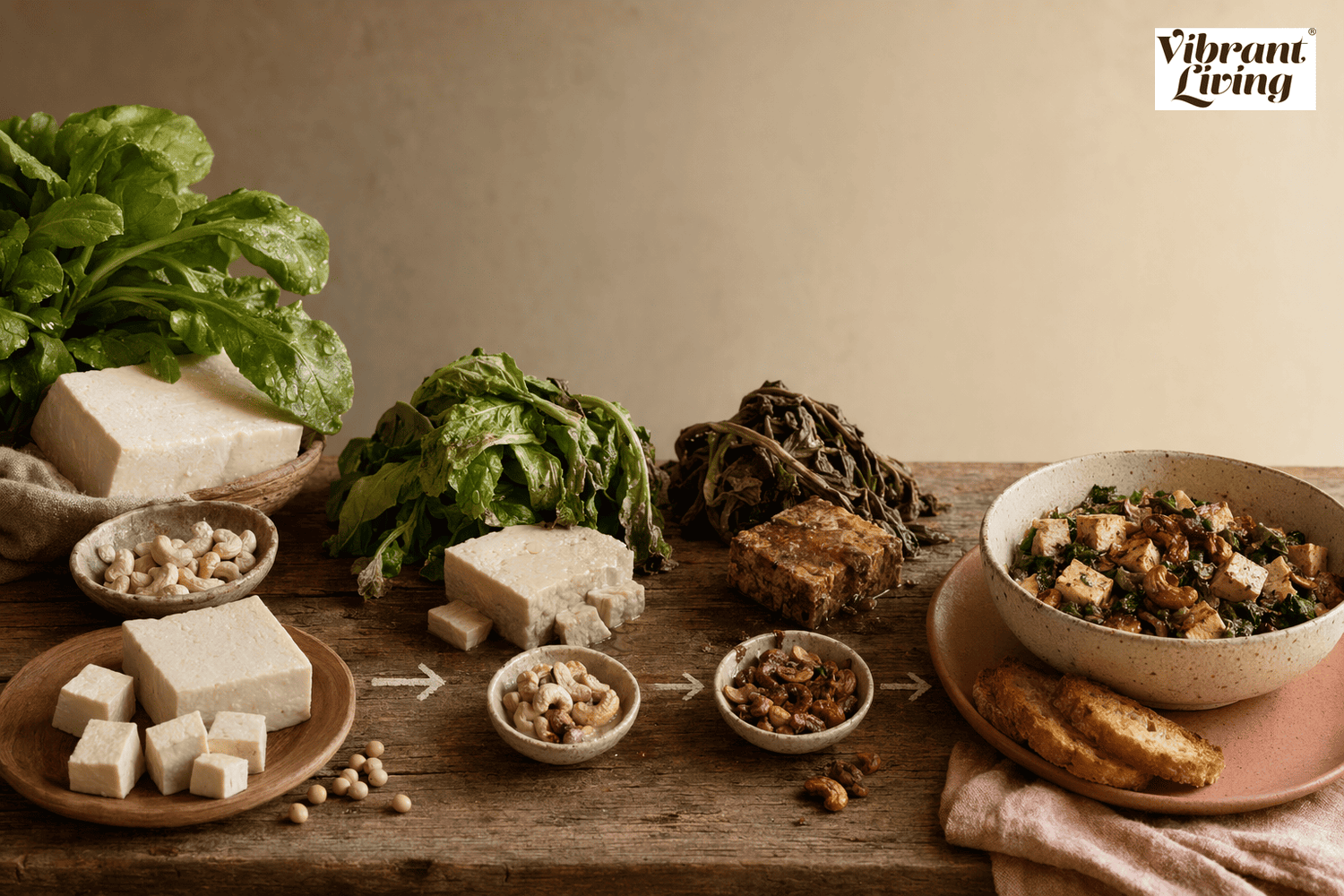
Vegan restaurants in Hyderabad frequently alter menus and struggle with taste consistency, frustrating diners who expect reliability. These challenges stem from ingredient sourcing variability, small-batch production constraints, and logistics gaps.
Key Takeaways
-
Plant-based ingredient sourcing in Hyderabad is seasonal and unpredictable, forcing menu adaptations throughout the year
-
Small-batch production magnifies variability in moisture, sweetness, and texture across batches, making standardization difficult
-
Hyderabad lacks dedicated vegan-ingredient distributors, creating logistics bottlenecks and frequent substitutions
-
The city's limited vegan market prevents economies of scale, trapping restaurants between high costs and price-sensitive customers
-
Farm-to-fork models eliminate multi-tier handoffs, stabilizing ingredient quality and enabling consistent taste profiles
Why Vegan Restaurants Face Ingredient Sourcing Challenges in Hyderabad
Most vegan restaurants in Hyderabad struggle with consistent taste and menu availability because plant-based ingredient sourcing is inherently variable, and the city's niche vegan supplier network remains far smaller and less stable than the established supply chains serving larger metros like Mumbai and Bangalore.
Seasonal Availability and Quality Fluctuations in Plant-Based Produce
Native plant-based produce follows natural seasonal cycles: leafy greens peak during cooler months, while summer brings mangoes and certain gourds. When a key ingredient—fresh turmeric, say, or heirloom millets—moves out of season, quality drops or supply halts entirely. Restaurants then face a choice: substitute (risking flavor shifts), remove the dish (frustrating loyal customers), or source from distant regions at higher cost and reduced freshness. None of these options preserves the consistency diners expect. Because only four major crops account for 50% of global primary crop production, native plant varieties operate outside mainstream cold-chain networks, intensifying the volatility.
Limited Vegan-Specific Supplier Networks in Hyderabad vs Larger Metros
Hyderabad's plant-based food market reached INR 300 crore in 2024 and grew 18% over three years, yet it remains a fraction of Mumbai's or Bangalore's ecosystem. Specialized vegan suppliers—tofu makers, nut-cheese producers, tempeh fermenters—cluster where demand justifies investment. In Hyderabad, restaurants often report difficulty sourcing even basics like unsweetened plant milk or preservative-free tofu consistently. Plant-based foods are mostly available only through Modern Trade or e-commerce channels, leaving restaurant buyers dependent on intermittent stock and longer lead times. Reddit users describe a city where vegan options feel scattered and inconsistent, a sentiment reflecting the supply-side gap.
Dependency on Multi-Tier Sourcing and Its Impact on Consistency
Most vegan restaurants navigate a four-stage supply chain that introduces variability at every handoff:
-
Farm sourcing: Small farmers grow native vegetables, millets, or pulses, each batch differing in moisture, color, and flavor depending on soil and weather.
-
Aggregation: A middleman collects produce from multiple farms, mixing batches and sometimes blending grades to meet volume targets.
-
Distribution: A wholesaler or Modern Trade warehouse stores and dispatches items, adding time lag and potential quality drift.
-
Restaurant prep: Chefs receive ingredients of inconsistent quality and adjust recipes on the fly, sometimes successfully, often not.
One approach some operators take is bypassing tiers two and three entirely. Vibrant Living, for instance, focuses on small-farm sourcing and works closely with farmers, reducing handoff points. Other restaurants build direct relationships with urban microgreens growers or rooftop producers. Direct sourcing does not eliminate seasonal swings, but it shortens the feedback loop and stabilizes quality within a given harvest window.
Beyond sourcing challenges, the production process itself introduces another layer of inconsistency.
How Small-Batch Production Limits Menu Consistency
Why Vegan Kitchens Can't Standardize Recipes Like Conventional Restaurants
Plant-based ingredients vary dramatically batch-to-batch in moisture, sweetness, and texture, differences that industrial suppliers mask through standardization protocols unavailable to vegan kitchens working at restaurant scale. A cashew cream made Monday may thicken perfectly; the same recipe Thursday yields soup because the new cashew lot absorbed 15% more water during processing. Conventional restaurants mitigate this with dairy's engineered consistency and eggs' predictable binding behavior; vegan chefs substitute with ingredients that behave differently every shipment. The result: diners experience the same dish as erratic and unreliable depending on which ingredient batch the kitchen opened that week.
Skill and Experience Gaps in Vegan Cooking Techniques
Eliminating eggs, dairy, and meat requires mastery of alternative binding, emulsification, and umami techniques that culinary programs historically did not teach. Many chefs now staffing Hyderabad's vegan kitchens learned conventional methods, roux, reduction, fat rendering, and must self-train on aquafaba meringues, nutritional-yeast umami, and tapioca-starch binding. This skill gap magnifies ingredient variability: a trained vegan chef adjusts hydration ratios when a new flour lot arrives; an inexperienced cook follows yesterday's proportions and produces dense, gummy dough. When nearly one in three U.S. Consumers are trying to eat more plant-based foods, restaurants hire faster than they train, compounding consistency failures.
Cost Pressures That Force Ingredient Substitutions
Affordability, availability, and lack of family appeal rank as top customer concerns in plant-based dining, pushing restaurants to swap premium ingredients mid-service to protect margins. A dish launched with cold-pressed sesame oil and cashew cream quietly shifts to refined oil and corn-starch slurry when procurement costs spike, the menu text stays identical, but regulars notice the flavor flattened. Hyderabad's vegan operators face this trade-off daily: source from HappyCow's directory of reliable suppliers and accept slim margins, or substitute cheaper alternatives and risk the inconsistency complaints that define the category's reputation problem.
Even when kitchens master ingredient variability, logistics infrastructure determines whether menus remain available day-to-day.
The Role of Supply Chain Logistics in Menu Availability
Cold-Chain Requirements for Fresh Plant-Based Ingredients
Vegan menus depend on ingredients that spoil faster than shelf-stable conventional staples. Leafy greens, tofu, nut-based products, and fresh produce require unbroken cold-chain handling from farm to kitchen. A single break in refrigeration can render a batch unusable, forcing restaurants to absorb the loss or substitute items mid-service. Conventional kitchens mitigate this risk with shelf-stable backups, frozen proteins, canned goods, dried spices, but vegan kitchens built around fresh, minimally processed ingredients lack that flexibility. When distributors delay delivery by even a few hours during Hyderabad's summer heat, entire menu sections disappear.
LPG Supply Disruptions and Their Impact on Hyderabad Restaurants (2026)
In March 2026, Hyderabad's restaurant industry faced an acute LPG shortage. Commercial kitchens designed around LPG systems had no backup fuel infrastructure. Street vendors switched to firewood or induction stoves, and many simply shut down temporarily. For small vegan restaurants operating on tight margins, the disruption was catastrophic. Larger plant-based chains with vertical integration could pivot to backup suppliers, but Hyderabad's independent vegan eateries, lacking capital for dual-fuel systems, lost days of revenue and menu consistency.
Last-Mile Delivery Constraints in Tier-1 Indian Cities
Hyderabad lacks dedicated vegan-ingredient distributors. Most small restaurants rely on general produce aggregators that prioritize high-volume conventional clients, leaving vegan kitchens with inconsistent delivery schedules and frequent substitutions. Vibrant Living, for instance, operates within Hyderabad but faces serviceability constraints that can delay orders when logistics networks fail. Without vertical integration or direct-sourcing partnerships, independent vegan restaurants cannot guarantee ingredient availability, and menu consistency suffers.
These supply-chain and production hurdles intersect with market realities that make operational stability elusive.
Why Niche Market Demand Creates Operational Strain
Small Customer Base and Revenue Constraints
Hyderabad's vegan dining market remains too small to support economies of scale. With only a handful of dedicated plant-based restaurants spread across the city, each operates on thin margins that make supply-chain investments unsustainable. The limited customer base forces vegan operators to compete for the same price-sensitive early adopters, leaving little room for the premium positioning needed to offset higher ingredient costs.
Balancing Menu Variety With Procurement Feasibility
Customers expect diverse menus, yet sourcing 20+ specialty ingredients is operationally unsustainable for small-batch kitchens. Subscription models like Café Manna's millet-based meal plans address this by standardizing around shelf-stable ingredients, while fresh-produce-focused vegan menus face higher volatility. Vibrant Living's meal subscriptions attempt to stabilize demand through pre-commitment, justifying direct-sourcing investments that walk-in-only restaurants cannot afford.
Why Premium Pricing Alienates Mainstream Diners
Vegan restaurants are trapped between high ingredient costs and price-sensitive customers. The ₹400 to 1,400 per person range at Vibrant Living reflects this tension: prices must cover specialty sourcing, yet mainstream diners balk at paying more than conventional restaurants. This creates a vicious cycle, small customer base leads to thin margins, preventing supply-chain control investments, which drives inconsistent quality and customer churn, further shrinking the base.
Addressing these systemic challenges requires rethinking the entire supply chain, not just optimizing individual steps.
How Farm-to-Fork Models Solve Consistency Issues
Direct Sourcing Eliminates Multi-Tier Supply-Chain Variability
The conventional produce supply chain introduces variability at every handoff: farm → aggregator → distributor → restaurant. Each tier batches ingredients from multiple sources, blending harvest dates, ripeness levels, and handling standards. Farm-to-table restaurants in Hyderabad bypass these intermediaries, contracting directly with growers to specify harvest timing, organic certification, and post-harvest handling protocols. This control translates to predictable ingredient quality week over week, the foundation for consistent taste execution.
Direct sourcing also shortens the time between harvest and kitchen, preserving the nutrient density and flavor compounds that degrade during multi-day distribution cycles. When a restaurant can plan menus around what its partner farms are harvesting today, rather than what a distributor's catalog lists, seasonal variability becomes a feature, not a bug. For plant-based menus, where vegetable freshness drives guest satisfaction, this operational advantage is non-negotiable.
Vibrant Living's Natural, Freshly Sourced, Plant-Based Ingredient Standards
Vibrant Living uses only natural, freshly sourced, plant-based ingredients, skipping deep-fried items, refined sugar, and refined oils. This ingredient discipline, rooted in direct sourcing from small organic farmers, anchors the brand's consistency promise. Every dish on the Vibrant Living menu reflects these supply-chain choices: no last-minute ingredient swaps, no quality compromises when a distributor runs short.
The brand's plant-based meal subscriptions extend this model to daily dining, stabilizing demand so partner farms can plan harvest volumes months ahead. This mutual commitment, restaurant guarantees offtake, farm guarantees quality, breaks the boom-bust cycle that forces most restaurants to juggle multiple suppliers. When your customer knows the ragi mudda they order next Thursday will taste identical to last Thursday's, you've solved the consistency problem at its root.
Tradeoffs and Scalability Constraints of Farm-to-Fork Models
Direct sourcing demands upfront capital, farm partnership agreements, cold storage, transport logistics, that many startups cannot finance. Menu flexibility shrinks: if your partner farms grow ten vegetables, your menu features those ten, not fifty. Yummy Bee, operating across multiple Hyderabad locations, illustrates the scalability challenge, maintaining ingredient standards across outlets requires either distributed farm networks or centralized processing, each adding cost layers.
Not every restaurant should adopt this model. High-turnover cafés serving fifty menu items cannot commit to farm-scale volumes for each ingredient. The farm-to-fork approach works best for focused, seasonal menus where ingredient consistency justifies the operational investment, a tradeoff spectrum, not a universal solution. Restaurants like Udipi's Upahar thrive with conventional sourcing; the choice hinges on whether your brand promise centers on ingredient provenance or menu breadth.
Finding Stability in Hyderabad's Vegan Dining Landscape
Farm-to-fork models deliver ingredient consistency and eliminate multi-tier markups but limit menu flexibility, restaurants can't easily source 50+ exotic ingredients year-round when working directly with small farms. Subscription-based meal plans stabilize demand and justify supply-chain investments, but require customers to commit to weekly or monthly orders rather than à la carte dining.
As India's plant-based food market grows toward ₹5,500 crore by 2034 and more consumers prioritize ingredient transparency, expect Hyderabad's vegan restaurant scene to consolidate around direct-sourcing models with tighter supply-chain control. Smaller, fragmented operations dependent on multi-tier suppliers will struggle to compete on consistency.
Explore Vibrant Living's weekly plant-based meal subscriptions to see how farm-to-fork sourcing translates to consistent ingredient quality and menu transparency. It's one option to consider alongside the broader category of direct-sourcing vegan restaurants emerging in the city.
Frequently Asked Questions
Why do vegan restaurants in Hyderabad have limited menus compared to conventional restaurants?
Vegan restaurants face niche supplier networks and seasonal ingredient availability, making it unsustainable to stock 50+ specialty items year-round. Hyderabad's plant-based market remains far smaller than Mumbai's or Bangalore's, limiting infrastructure. Multi-tier sourcing chains introduce unpredictability that forces menu simplification.
How does small-batch production affect vegan food consistency?
Plant-based ingredients vary batch-to-batch in moisture, sweetness, and texture, differences industrial suppliers mask through standardization protocols unavailable at restaurant scale. Vegan cooking requires alternative binding and umami techniques that many chefs lack training in, making recipe replication challenging across batches.
What role did the 2026 LPG shortage play in Hyderabad's vegan restaurant struggles?
In March 2026, Hyderabad's acute LPG shortage forced restaurants to shut down or switch to firewood. Commercial kitchens designed around LPG systems had no backup fuel infrastructure, disproportionately affecting small vegan eateries without capital for alternative energy investments.
Are farm-to-fork vegan restaurants more expensive than conventional vegan eateries?
Direct sourcing reduces multi-tier markups but requires upfront supply-chain investment, often reflected in subscription pricing. Farm-to-fork models eliminate intermediary costs yet demand commitment to weekly or monthly plans rather than à la carte dining, shifting the value proposition toward consistency over flexibility.
How can I find vegan restaurants in Hyderabad with consistent quality?
Check Google Reviews for mentions of direct sourcing, subscription models, or farmer partnerships. Restaurants highlighting unbroken cold-chain handling and harvest-cycle menu planning typically deliver more reliable quality. Look for establishments that publish ingredient sourcing details transparently.
Why do some vegan restaurants change their menus frequently?
Seasonal produce availability forces menu changes, restaurants dependent on multi-tier suppliers adapt to what's available each month. Vegan menus rely on ingredients that spoil faster than shelf-stable staples, requiring unbroken cold-chain handling. Farm-to-fork models plan menus around predictable harvest cycles instead.
What is the difference between a vegan meal subscription and a restaurant menu?
Meal subscriptions offer pre-planned weekly or monthly menus with predictable pricing and delivery schedules, while à la carte restaurant menus vary daily based on ingredient availability. Subscriptions stabilize demand and justify supply-chain investments, enabling operational consistency that traditional restaurant models struggle to achieve.


